Olive Ridley Sea Turtle
Lepidochelys olivacea — The most abundant yet deeply vulnerable ocean wanderer found nesting on our shores.
Overview
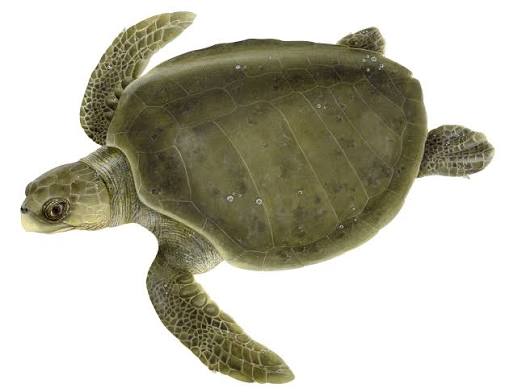
The Olive Ridley sea turtle is named for the olive-green color of its heart-shaped shell (carapace). While they are relatively small compared to other sea turtles like the Leatherback, they are famous for their remarkable behavior known as Arribada, where thousands of females come ashore simultaneously to nest on the exact same beach.
In Sri Lanka, Olive Ridleys are the most frequent visitors to our hatcheries. They travel thousands of miles across the Indian Ocean to feed and mate, with females returning to the coastal sands of Koggala and surrounding southern beaches to lay their eggs safely during the nesting season.
Major Threats
Despite being the most numerous species worldwide, Olive Ridleys face severe declines. Their survival is heavily threatened by human activities, including:
- Marine Debris & Plastic: Swallowing floating plastic bags (which they mistake for jellyfish) leads to fatal blockages.
- Ghost Nets & Bycatch: Getting trapped in abandoned commercial fishing nets causes accidental drowning.
- Egg Poaching: Unscrupulous illegal poachers steal eggs from nests on the beach for commercial sale.
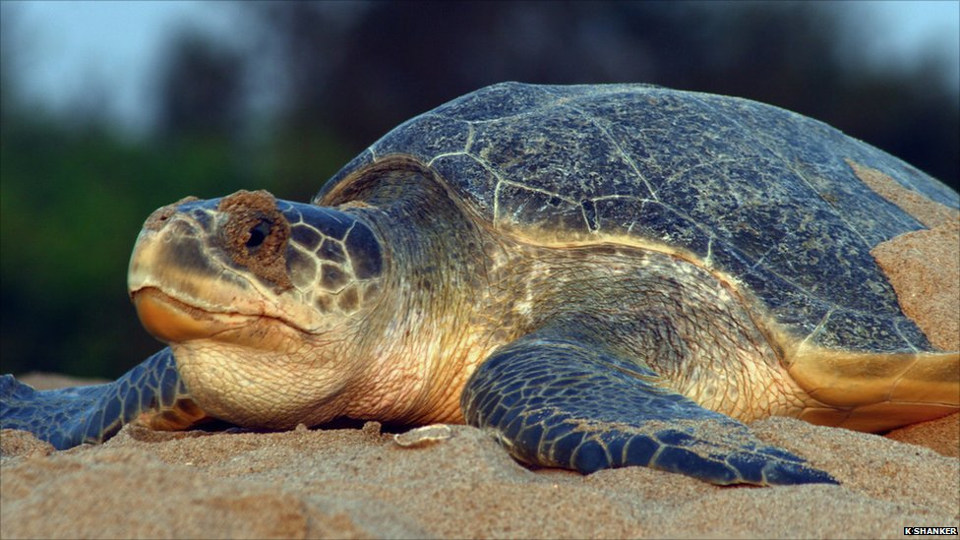 An adult Olive Ridley navigating deep ocean currents.
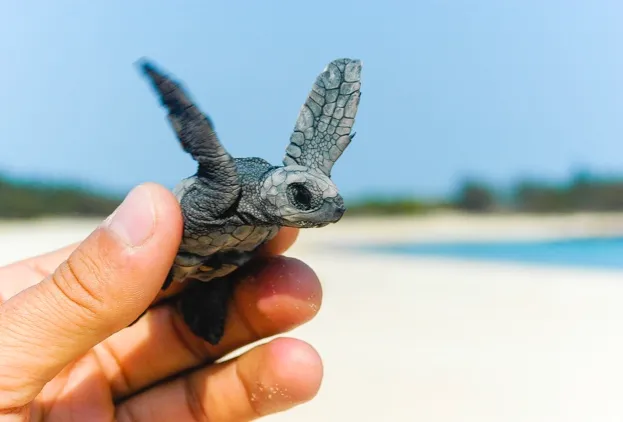 A newly hatched baby turtle making its way to the ocean.
Our Conservation Efforts at Koggala
At the Koggala Turtle Farm & Hatchery, we act as a safe haven for Olive Ridleys. Our dedicated team regularly patrols the beaches to rescue eggs from poachers and predators. We bury them safely in our protected hatchery until they hatch.
We also run a specialized marine rescue tank unit to rehabilitate Olive Ridleys injured by boat propellers or fishing nets, ensuring they are fully healed before being released back into their natural ocean home.
Help Us Save Them
Your support funds beach patrols, medical supplies for injured Olive Ridleys, and maintains hatchery safety tanks.
Donate to Hatchery